Every farm has different energy demands, building structures, and budgets. Browse our completed installations to see how we have helped agricultural businesses across the UK reduce electricity costs, earn export income, and build long-term energy resilience.
Blackmore Valley Dairy operates a 280-head Holstein herd across two milking parlours, a bulk tank cooling room, and a grain drying facility. The farm's electricity consumption averaged 95,000 kWh per year, with quarterly bills exceeding £4,200. Rising energy prices were squeezing margins on an already tight dairy budget, and the farm manager, James Hargreaves, was looking for a long-term solution rather than simply switching energy suppliers.
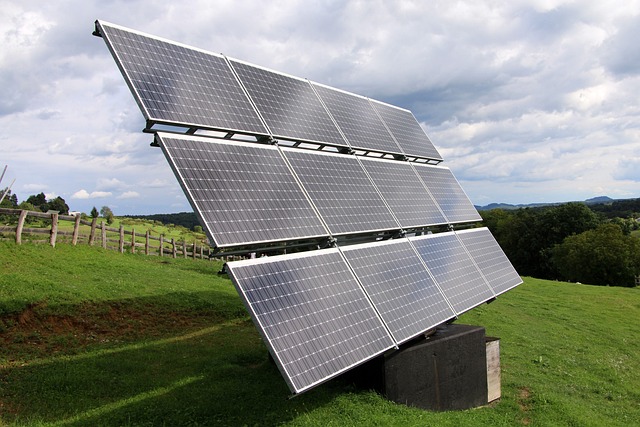
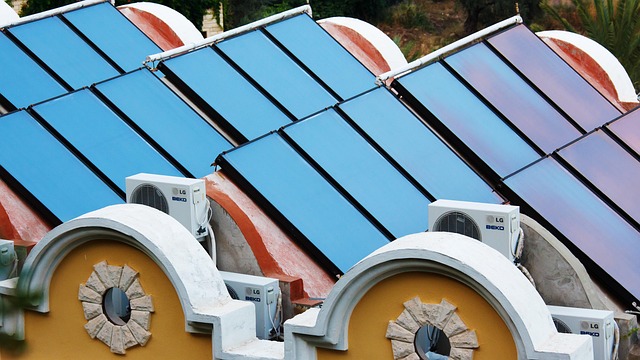
We designed a 75kW rooftop system spread across the main dairy barn and the adjacent grain store. Both buildings had south-facing corrugated steel roofs in good condition, providing an ideal mounting surface. The installation was completed in four working days, scheduled around milking times to avoid any disruption to the herd or the daily routine. The system includes a Huawei SUN2000 commercial inverter and our cloud-based monitoring platform.
"The quarterly bill that used to keep me awake at night has gone from over £4,200 down to about £1,300. The VDTPanl team worked around our milking schedule without a single disruption. Genuinely wish we had done it three years earlier."
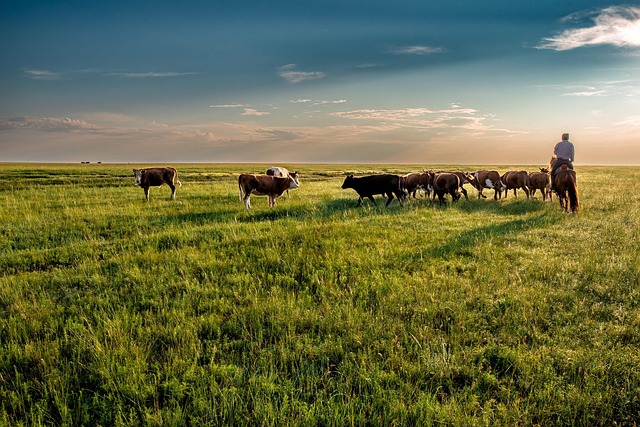
Wheatfield Arable Partnership manages 1,400 acres of combinable crops in east Suffolk, running grain dryers, a cold store for seed potato, and several irrigation rigs during the growing season. Peak electricity demand during harvest drying regularly caused annual bills above £22,000. The farm also had 15 acres of Grade 4 grassland that had been unproductive for several years, making it an ideal candidate for a ground-mounted solar array.
We installed a dual system: a 50kW rooftop array on the main grain store and a 100kW ground-mounted agrivoltaic array on the underused grassland. The ground-mounted panels are elevated to 2.5 metres, allowing a small flock of Suffolk Cross ewes to continue grazing beneath. A 50kWh lithium iron phosphate battery was added to capture excess midday generation for use during evening grain drying operations. The entire project was completed within 12 working days.
"The battery storage was the game-changer for us. We generate during the day and dry grain in the evening without paying peak tariff rates. The agrivoltaic field still carries 40 ewes and generates more income per acre than the grass ever did on its own."
Greenway Growers operates 12 commercial polytunnels producing salad leaves, herbs, and soft fruit for regional wholesale markets. The operation runs energy-intensive ventilation fans, drip irrigation systems, and cold storage around the clock during the growing season from April to October. Annual electricity spend had reached £19,500, with consumption peaking at over 110,000 kWh per year. The business was also under pressure from supermarket buyers to demonstrate verifiable sustainability credentials.
We installed a 100kW system across three polytunnel roof structures, using lightweight semi-flexible panels that do not add significant load to the tunnel frames. A 30kWh battery storage unit captures surplus generation during peak sunlight hours for use by overnight cold storage and early-morning irrigation. The monitoring system integrates with Greenway's existing crop management software, allowing the team to schedule energy-intensive tasks during peak generation windows.
"Our wholesale buyers asked us for sustainability evidence last year and we had nothing to show them. Now we can demonstrate verified carbon savings alongside genuinely lower production costs. The lightweight panels on the polytunnels were something I did not know was even possible."
Ridgehill Poultry Farm runs three broiler houses with a combined capacity of 90,000 birds per cycle. Ventilation fans, heating elements, lighting controls, and automated feeding systems consume roughly 160,000 kWh annually. Electricity represents the farm's second-largest operating cost after feed. The three long, narrow broiler houses presented ideal roof geometry for solar installation: each building offered a 40-metre south-facing roof pitch with minimal shading from surrounding structures.
We designed a 120kW system distributed across all three broiler houses using non-penetrating clamp brackets on the standing-seam metal roofs. Ammonia-resistant panels were selected specifically for the poultry environment, and all wiring was routed through sealed conduit to protect against dust and moisture. A 40kWh battery stores daytime generation for overnight ventilation, which is critical to bird welfare during warmer months. The installation was coordinated between crop cycles to avoid any animal welfare concerns during construction.
"Ventilation is non-negotiable with poultry. Having the battery means our fans keep running all night on stored solar, even when the grid tariff is at its peak. The ammonia-resistant panels were a detail I would not have thought of, but VDTPanl raised it in the first survey. That kind of expertise matters."
Oakridge Estate is a 2,800-acre mixed farming operation running beef cattle, arable crops, a farm shop, a holiday let complex, and a biomass heating system across multiple buildings. Total electricity consumption across all operations exceeded 230,000 kWh annually, with bills approaching £38,000 per year. The estate manager, Catherine Langley, wanted a comprehensive energy strategy that would serve the entire estate while generating enough surplus to earn meaningful export income during quieter months.
We installed the largest agricultural system in our portfolio: 130kW of rooftop panels across four farm buildings and a 70kW ground-mounted array on 2 acres of rough pasture adjacent to the farm shop. A 100kWh battery system provides energy storage for the estate's overnight needs, including cold storage, security lighting, and the holiday lets. Two EV charging points were added outside the farm shop, powered directly by the solar array. The entire project was completed in 18 working days and included assistance with a successful planning application for the ground-mounted section.
"Running an estate means juggling dozens of different energy demands. VDTPanl understood the complexity from the first meeting. The EV chargers at the farm shop were a brilliant addition that our customers genuinely appreciate, and the export income during winter covers a surprising chunk of our remaining grid costs."
Every project is tailored to the specific needs of the farm. Here is a side-by-side comparison of the key metrics across our featured case studies, demonstrating the consistent results we deliver regardless of farm type or scale.
| Farm | Type | System Size | Annual Generation | Annual Savings | Bill Reduction | Payback |
|---|---|---|---|---|---|---|
| Blackmore Valley | Dairy | 75kW | 68,200 kWh | £11,400 | 69% | 5.1 yrs |
| Wheatfield Arable | Arable | 150kW | 142,000 kWh | £18,600 | 74% | 4.3 yrs |
| Greenway Growers | Horticulture | 100kW | 91,500 kWh | £12,700 | 65% | 4.6 yrs |
| Ridgehill Poultry | Poultry | 120kW | 118,000 kWh | £21,300 | 71% | 4.1 yrs |
| Oakridge Estate | Mixed Estate | 200kW | 186,000 kWh | £29,800 | 67% | 5.4 yrs |
All figures based on actual monitored performance data. Results vary based on system size, energy consumption patterns, and local solar irradiance conditions.
While every farm is unique, certain patterns emerge across our portfolio of completed installations. These insights help us set realistic expectations for new clients and refine our system designs for maximum performance.
Across all our agricultural installations, the average payback period falls between 4.1 and 5.4 years. Farms with high daytime energy consumption, such as dairy and poultry operations, tend to see the fastest returns because their usage profile aligns closely with solar generation peaks. After the payback period, every kilowatt-hour generated is essentially free electricity for the remaining 20 or more years of the system's operational life.
Farms that add battery storage to their solar installation consistently achieve 8 to 15 percentage points higher self-consumption rates compared to solar-only systems. This translates directly into greater savings because less energy needs to be purchased from the grid at retail rates. Battery systems prove particularly valuable for operations that run equipment during evening and early morning hours, such as milking parlours, cold storage, and ventilation systems.
As grid electricity prices continue to rise, the value of every solar kilowatt-hour increases accordingly. Our clients who installed systems three years ago are now saving significantly more per year than their original projections forecast, simply because grid prices have risen while their solar generation cost remains at zero. This compounding benefit is one of the strongest arguments for installing sooner rather than later.
Our average installation time for farm systems between 50kW and 150kW is 4 to 8 working days. We schedule work around livestock routines, harvest calendars, and seasonal demands. Not a single client in our portfolio has reported meaningful disruption to their farming operations during installation. Pre-wiring of internal electrical connections is completed during quieter periods, and final commissioning typically takes only a few hours.
We deliberately use conservative irradiance data when forecasting system performance for new clients. This means actual generation typically exceeds our projections by 3 to 8 percent in the first year. We prefer to under-promise and over-deliver, which builds trust and ensures our clients are never disappointed by their system's real-world output. Monitoring data from every installation informs our forecasting models for future projects.
Over 60% of our new farm installations come from referrals by existing customers. Farmers talk to neighbouring farmers, and when the savings are real and verifiable, word spreads quickly through agricultural communities. We consider this our strongest endorsement: the people who have already worked with us actively recommend us to others in their network, knowing their reputation is linked to the quality of our work.
Every installation on this page started with a simple conversation. We visit your farm, assess your buildings and energy use, and provide an honest, detailed proposal with no obligation or pressure. If solar makes financial sense for your operation, we will show you exactly how the numbers work. If it does not, we will tell you that too.
No sales pressure. Just honest advice from qualified engineers.